
Transform Your Space with Stunning Bamboo Wall Panels: The Ultimate Guide
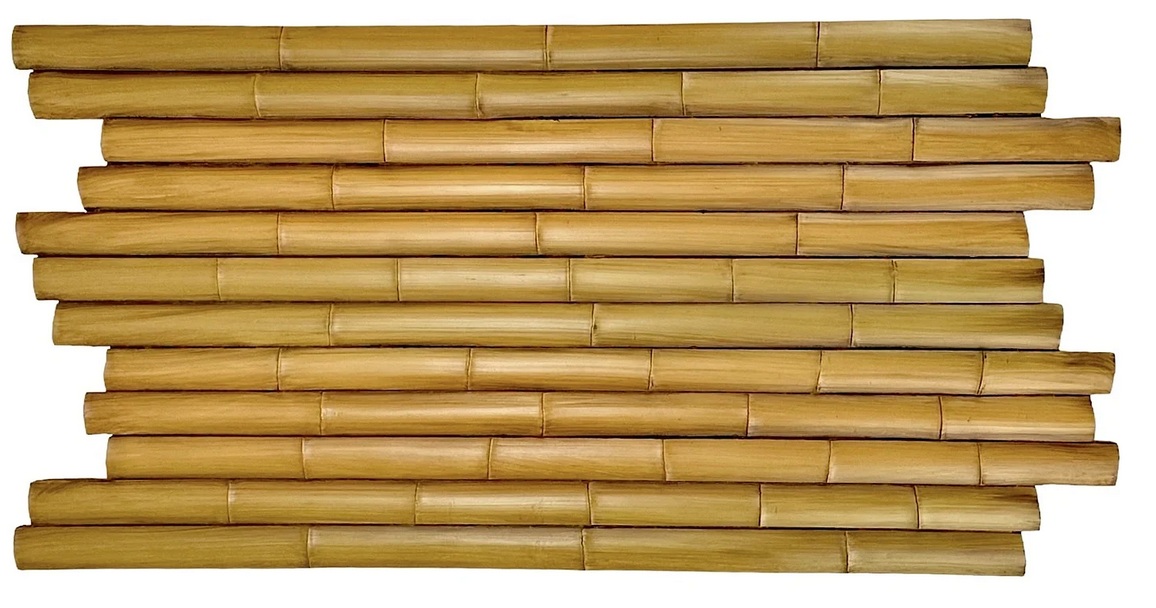
Bamboo Wall Panels: A Sustainable Choice for Modern Interiors
The Eco-Friendly Appeal: Why Bamboo Matters
Bamboo is one of the fastest-growing plants on the planet, making it an exceptionally renewable resource. With growth rates that can exceed 35 inches (about 91 cm) within a single day, bamboo not only replenishes itself much more quickly than traditional hardwoods but also helps to combat carbon emissions. Each bamboo plant can sequester around 48 tons of carbon dioxide per hectare annually, contributing significantly to global carbon balance. Moreover, bamboo requires little water and no pesticides to thrive, making it a compelling choice for environmentally conscious consumers. In choosing bamboo wall panels, you are not only enhancing your interior aesthetic but also supporting sustainable practices that help protect the planet.
Comparing Bamboo to Traditional Wall Materials
When it comes to wall materials, bamboo stands out when compared to conventional options such as plywood, MDF, and traditional hardwoods. Unlike these materials, bamboo’s unique structure is naturally more elastic, which can enhance durability in varying climates and cases of humidity. In terms of weight, bamboo panels tend to be lighter than traditional wood, making them easier to handle during installation. Furthermore, additional benefits include bamboo’s resistance to moisture and insects, which is a common challenge for many traditional materials, leading to mold growth and degradation over time. Choosing bamboo provides a blend of strength and elegance, making it an optimal choice for modern interiors that prioritize both functionality and aesthetic appeal.
How Bamboo Panels Contribute to a Greener Planet
The utilization of bamboo wall panels goes beyond aesthetics; it is a part of a larger commitment to sustainability. Bamboo absorbs more carbon dioxide compared to trees throughout its growth cycle, which aids in reducing the overall greenhouse gas concentrations in our atmosphere. Additionally, bamboo forests provide essential habitats for various wildlife, promoting biodiversity. By choosing bamboo, homeowners and builders contribute to protecting these vital ecosystems. The industry surrounding bamboo is helping to rejuvenate deforested landscapes, and many bamboo harvesting practices are designed to ensure that jungle areas are preserved making bamboo a holistic choice for those interested in environmentally responsible options without compromising on style.
Styles and Designs: Finding the Perfect Bamboo Aesthetic
From Minimalist to Bohemian: Bamboo Panels for Every Style
When it comes to home decor, bamboo wall panels can seamlessly transition across various styles, making them a versatile design element. For minimalist interiors, smooth, light-colored bamboo can accentuate clean lines and open spaces, creating a serene and airy atmosphere. In contrast, the warmth of darker, textured bamboo can add depth and richness to bohemian-inspired spaces, often adorned with eclectic fabrics and natural textures. The subtle patterns inherent in bamboo can also serve as statement pieces in contemporary designs, striking a balance between modern sophistication and organic touch. By integrating bamboo panels, designers can create cohesive storytelling through design, whether they lean towards minimalism, eclectic bohemian, or even rustic charm.
Textured vs. Smooth: Choosing the Right Finish for Your Space
The finish of your bamboo wall panels can significantly influence the overall aesthetic of your space. Smooth bamboo finishes tend to impart a modern, sleek look, which is ideal for contemporary interiors. These panels can reflect light beautifully, making spaces feel more expansive and luminous. On the other hand, textured bamboo can evoke a more rustic or organic ambiance. These panels, often featuring the inscribed lines and natural points of bamboo, add character and visual intrigue, perfect for spaces where comfort and warmth are prioritized. When selecting finishes, consider how the texture interacts with your home’s existing decor, lighting, and intended mood so you can achieve a harmonious balance that elevates your design.
Creative Patterns: Incorporating Bamboo Panels as Art
Bamboo panels are not only functional but also provide an opportunity for creative expression. Interior designers are increasingly using bamboo panels to craft intricate wall art or accent features that serve as focal points in a room. Beyond mere installation, these panels can be arranged in geometric patterns, tessellations, or layered in combinations of colors, resulting in unique, eye-catching displays that draw attention. Artists have also begun incorporating bamboo into mixed-media artworks, enhancing both urban and natural settings with their dynamic presence. This kind of creativity not only celebrates the beauty of bamboo but also encourages a deeper appreciation for craftsmanship in interior design, making your space a true representation of your personal style.
Installation Insights: Mastering the Art of Bamboo Paneling
Tools and Materials You’ll Need for a Flawless Finish
Installing bamboo wall panels can be a gratifying DIY project or a professional endeavor, depending on your expertise and comfort level. To get started, you will need a few essential tools and materials, including a measuring tape, level, saw (circular or jigsaw), a drill, screws, adhesive (if necessary), and wall anchors for secure mounting. Additionally, a stud finder can help locate wall studs for an optimal installation framework.
Read More: Seasonal Decor: Refreshing Your Home with Sheepskin Rugs Throughout the Year
Preparing your workspace and gathering the correct tools will ensure a smoother experience, minimizing the likelihood of errors and wasted time during installation. Do not forget to meticulously plan your layout before you start; this will not only help you visualize the end product but also make your installation process more efficient.
A Step-by-Step Guide to Installing Bamboo Panels
The process of installing bamboo panels can be broken down into several clear steps. Begin by measuring your walls to determine how many panels you will require. Next, prepare the wall surface by ensuring it is clean, dry, and free from any imperfections. If you are working with adhesive, apply it to the back of each panel, or if using screws, drill into your wall at the designated stud locations. Make sure to use a level to ensure your panels are straight as you move along the wall, adjusting as necessary before securing them completely. One helpful technique is to start at the bottom and work your way up to ensure that any minor discrepancies in cuts or installation do not detract from the overall look. Be patient and methodical; the goal is to create a flawless, stunning wall feature that enhances your space.
Common Pitfalls and How to Avoid Them
Even the most seasoned DIY enthusiasts can encounter challenges when installing bamboo panels. One common pitfall is improper alignment; mismeasurements can lead to panels that skew out of alignment, which can be frustrating and hard to fix. To mitigate this risk, always double-check your measurements and make use of a level during installation. Another issue is the failure to acclimate bamboo panels to your home environment prior to installation, which can result in warping or shrinking once installed. Ideally, panels should sit in the space for at least 48 hours before installation to adapt to the ambient temperature and humidity. Lastly, be cautious of excess adhesive seeping out; meticulous, controlled application can prevent this visual detriment. By anticipating challenges, your installation can be a smooth and rewarding task.
Maintenance and Durability: Keeping Your Bamboo Panels Pristine
Cleaning Techniques: Safeguarding Your Bamboo Investment
Maintaining the beauty and integrity of bamboo wall panels requires a consistent cleaning routine, which is straightforward yet essential. Regular dusting can prevent dirt and grime buildup; a microfiber cloth works wonders for this task. For deeper cleaning, use a damp cloth with a mild soap solution to avoid harsh chemicals that can strip bamboo of its natural oils. Remember to dry the panels promptly after cleaning to avoid moisture-related issues. Additionally, incorporating a periodic treatment with mineral oil or bamboo oil can enhance the natural luster of your panels while providing a layer of protection against scratches and water damage. Such an investment in care will ensure that your bamboo panels continue to shine beautifully for years to come.
Longevity Matters: How to Extend the Life of Your Panels
To promote the longevity of your bamboo wall panels, consider several proactive steps beyond basic cleaning. Ensure that the panels are not exposed to extreme moisture, as excessive dampness can lead to warping while drying out can cause cracking. Maintaining a balanced environment with ideal humidity levels of 30-50% can help mitigate these issues. Furthermore, be mindful of heating devices that may dry the air excessively.
Read More: Hanging Canvas Prints: Transforming Your Space with Artistic Elegance
Applying protective coatings or sealants designed for bamboo can also help shield your panels from spills and stains while maintaining their natural appearance. Lastly, avoid mounting panels in direct sunlight, as prolonged exposure can lead to fading. With proper care, your bamboo wall panels can remain beautiful long-term, enhancing your interiors without the need for frequent replacement.
Repairing Damage: Fixing Scratches and Dings Like a Pro
Even with diligent maintenance, scratches and small dings may occur on your bamboo panels. Fortunately, these can often be repaired with minimal difficulty. For superficial scratches, use a fine-grade sandpaper to gently smooth the area, followed by rubbing in a matching stain or mineral oil to restore the panel’s color and luster. For deeper dings, consider filling the area with a bamboo filler or wood putty before sanding to level the surface. Once repaired, applying a protective coating can help ensure longevity and enhance that freshly installed look. By equipping yourself with these repair techniques, you can maintain the high standards of your bamboo wall panels, ensuring they contribute to the beauty of your space for years to come.