
Why More Families Are Rewriting the Rules of Homebuilding
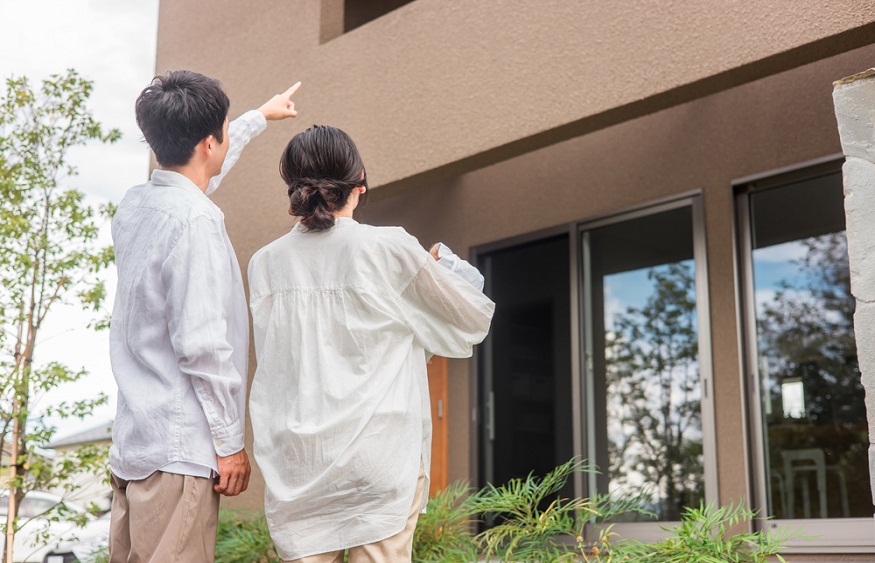
The traditional path to homeownership has remained the same for generations. Save for a down payment. Call an agent. Tour existing houses every weekend. Pick the least problematic option. Move in and make do. But something shifted in recent years. Families started questioning this entire process.
Existing homes never seemed to fit. The previous owner’s choices were evident throughout the house. Nineteen-seventies layouts were unsuitable for modern life. Families ate in small kitchens. They left formal dining rooms unused. Junk filled three-car garages, and home offices were crammed into bedroom corners. The mismatch between available houses and actual needs grew too obvious to ignore.
New Priorities Drive Different Decisions
Families today live differently than previous generations. Both parents may work from home three days. Virtual learning necessitates quiet zones for kids. Grandparents stay for long periods. Hobbies need dedicated space, not just a basement corner. These changes make standard houses seem more dated.
Read More : BEST WATER SOFTENER FOR HAIR HEALTH: CHOOSING THE RIGHT UNIT FOR HAIR BENEFITS
Changes were accelerated by the pandemic. Families wanted functional outdoor living spaces. They needed mudrooms that could handle real life, not just look pretty. Home gyms moved from luxury to necessity. Kitchen tables became conference rooms. Every assumption about how houses should work was questioned.
Taking Control of the Process
If you build on your lot with partners like Jamestown Estate Homes, you are likely to have a completely unique experience than traditional house hunting. Individuals who have already constructed in this manner report feeling a sense of empowerment instead of frustration. They make choices based on their priorities. They do not make them based on previous owners’ preferences. The process becomes creative instead of limiting.
These families often start with land they already have some connection to. Maybe the grandparents left them acreage. Perhaps they’ve been eyeing an empty lot in their favorite neighborhood for years. Sometimes they stumble across the perfect piece of earth while exploring. Whatever the source, they see potential where others see complications.
The building process itself differs from what most people expect. Decisions happen in a logical order. Site preparation comes before cabinet selection. Foundation planning takes priority over paint colors. This sequence makes more sense but feels foreign to people used to touring finished houses.
Money Conversations Get Honest
Custom building forces financial clarity. No hiding behind “it comes with the house” excuses. Every feature has a price tag. Families decide what matters most and what they can skip. This transparency often leads to smarter spending. Many discover that building costs less than they feared. Choosing standard windows over premium brands saves thousands without sacrificing quality. Simple rooflines cost less than complex ones while looking just as good. Rectangular houses are built cheaper than those with complicated footprints. These trade-offs become obvious during planning but stay hidden when buying existing homes.
Read More : WHAT CAN YOU DO WITH YOUR BACKYARD? 18 BACKYARD DESIGN IDEAS
The long-term math often favors building. Energy-efficient construction cuts utility bills forever. Right-sized houses reduce maintenance costs. Good design eliminates expensive renovations later. Families run real numbers instead of making emotional decisions during rushed showings.
Conclusion
This shift from buying to building isn’t stopping. Each successful project inspires others. Neighbors see a custom home being built and they start wondering about that empty lot they drive past every day. Friends hear about the process and realize it’s not as scary as they thought. The old rules assumed families would adapt to houses. The new approach flips that assumption. Houses should adapt to families. This simple idea gains more followers every day. As more families experience the difference between settling and creating, the movement grows stronger. The future of homeownership looks different from its past. Families refuse to squeeze into spaces that don’t fit. They’re writing new rules that make more sense for how people actually live.