
What Brick Pavers Are Hiding in Winter Garden Yards
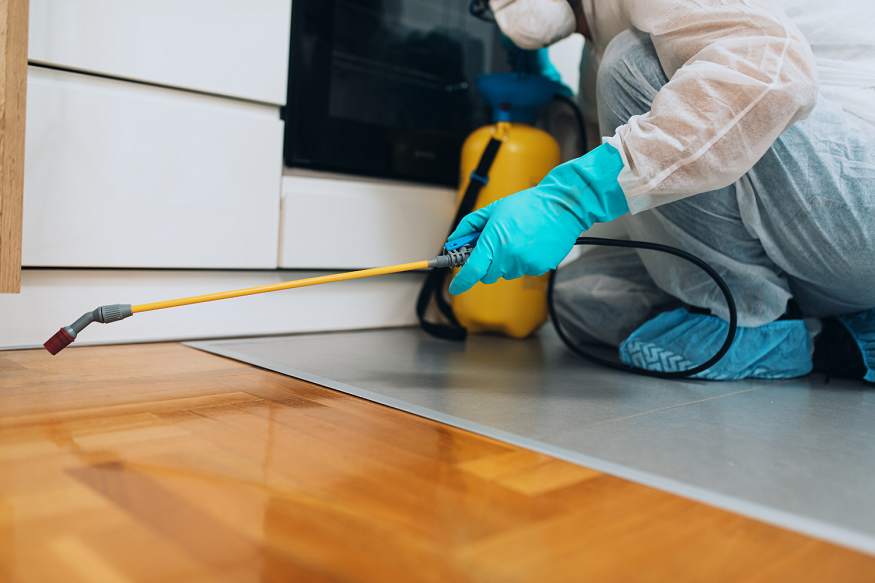
The brick pavers that go around Winter Garden homes are beautiful until they start showing all these unwanted surprises. Under those decorative paths and patios lies a whole ecosystem operating in silence, one that can jeopardize your home and cause awkward moments when barbecuing at night.
In this Central Florida community, homeowners often watch their outdoor spaces slowly change direction, develop cracks, or become uninviting spaces filled with their only resident, insects looking for shelter. The humid subtropical climate and sandy soil are an ideal breeding ground for both structural issues and pests to thrive beneath hardscaping.
If these issues are not fixed, what began as a straightforward paver installation can become an expensive repair. Before minor problems become major headaches, a professional inspection from Avata Pest Control in Winter Garden helps identify what is really going on under the surface.
Why Are My Pavers Sinking? The Role of Pests in Soil Displacement
Paving stones that are sinking are not just settling; they often indicate colonies of ants or termites are busy disturbing the earth below your Hardscaping. Fire ants, which proliferate in Winter Garden, build elaborate tunnel systems that weaken the sand that serves as a foundation for brick pavers.
Read More: ESSENTIAL WAYS TO IMPROVE PEST CONTROL IN MANCHESTER
One fire ant community can consist of 100,000 to 500,000 workers, all digging up dirt and creating empty space below your patio or sidewalk. This problem is then made worse by subterranean termites tunneling through the ground to find wood, reducing soil density further. Florida has been found to have the highest occurrence of termites in the country, and Winter Garden is in Zone 1 (areas with the highest termite infestation probability in the country).
As these creepy crawlers pick at soil particles, grain by grain, the compacted layer beneath your pavers loosens, leading them to settle unevenly and create trip hazards throughout your outdoor living spaces.
Are Spiders and Scorpions Making a Home in Your Patio Gaps?
The cracks between brick pavers make wonderful dark hides for arachnids that prefer protected places. Those cracks are places where creatures, especially in summer w,ill surprise residents of Winter Garden.
Common paver inhabitants include:
- Southern black widows: nesting in the crevices formed when polymeric sand has worn away, creating areas of protection for their egg sacs.
- Brown recluse spiders: searching for a cool place to escape the oppressive summer heat of Florida
- Bark scorpions: slipping into tight spaces, especially after nighttime watering that brings them out
There is a reason why these creatures appear out of the blue. Worn-out joint sand and settled pavers form gateways leading to the void beneath, where pests gain a foothold. When children play barefoot, or adults sit on patio furniture, these hidden residents can be disturbed, creating an immediate crisis in an otherwise peaceful outdoor environment.
Read More: PEST CHALLENGES IN INDIANAPOLIS HOMES ACROSS SEASONS: AN OVERVIEW
Integrating Structural Maintenance with Modern Pest Suppression
Paver issues arise from a variety of structural and biological components working in conjunction beneath your hardscaping. Traditional approaches are to fix the pavers one season, call pest control the next, making this an isolated problem. Since the insects always come back to the same areas of the structure once the treatment has worn off, this disconnected method seldom tackles the original issue.
Winter Garden is impossible to infest if the property and the structure have a connection, like what Avata Pest Control cheers about. They study how weakened areas of the hardscaping attract and harbor insects, and then tackle outdoor pest issues based on these findings. Their experts evaluate connections between sunken pavers, washed-out base materials, and adult insect nests to create treatments that eliminate the source.
Pest control experts partner with hardscaping contractors to provide more permanent results for homeowners, as the repairs remove the factors that initially lured pests in the first place. This unified approach ultimately is more cost-effective over time than continually treating symptoms while ignoring the structural invitation that (solicitation) pests are responding to in the first place.